



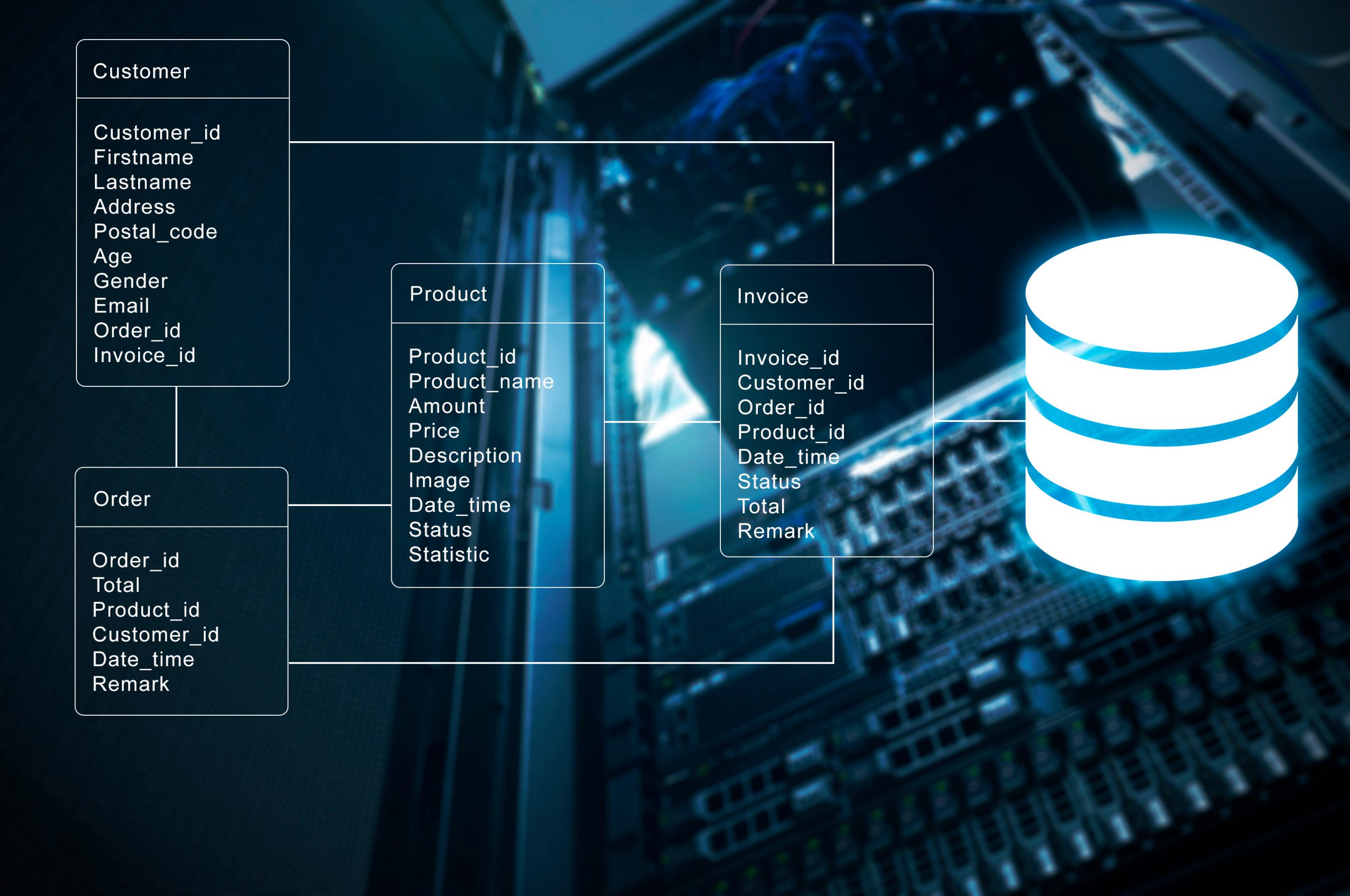
Database Administration & Business Intelligence



SQL Server Database Administration & Business Intelligence Training
Training is designed to give an individual a hands-on skills and knowledge needed to administer a Microsoft SQL Server database environment, preform data movement and integration operations and develop reports, dashboards and Key Performance Indicator (KPIs).
Who is encouraged to participate
- Someone who seeks a pathway into the Information Technology career world.
- Someone who seeks additional knowledge and skillset to boost their career.
- Someone who wants to boost their CV with professional skillset.
- Some who wants future career pathway in the IT domain with the benefits of remote work.
- Someone who wish for an alternative career pathway in the IT world.
- Someone who seeks to acquire a competitive advantage of knowledge and skill towards their education.
- Someone who wish to have a high paying career job as a backup or a safety net while pursuing another career options.
Advantages and reasons to take Database Administration/ Business Intelligence training
Database Administration advantages:
High Demand and Job Security:
The demand for skilled database administrators is consistently growing as businesses rely more on data. This translates to good job security and numerous opportunities for career advancement.
Competitive Salaries:
Database administrators (DBA) typically earn higher salaries than many other IT professionals due to the specialized skills and responsibilities involved.
Career Variety:
DBA training opens doors to various career paths, including database administration, data engineering, data science, and database development.
Skill Development:
DBA training provides a strong foundation in database management, including database design, data modeling, and SQL programming.
Enhanced Problem-Solving and Critical Thinking:
DBAs are constantly troubleshooting and optimizing database performance, which hones their problem-solving and critical thinking skills.
Improved Communication and Collaboration:
Effective communication with various stakeholders, including developers, managers, and end-users, is crucial for DBAs.
Impactful Role:
DBAs play a vital role in ensuring data integrity, security, and availability, which are essential for business operations.
Adaptability to Emerging Technologies:
DBA training equips individuals to adapt to new technologies and cloud-based database solutions.
Flexibility and Autonomy:
Many DBA roles offer flexibility in terms of work arrangements, including remote work options.
Opportunities for Growth and Learning:
The field of database administration is constantly evolving, providing ongoing opportunities for learning and professional development.
Business Intelligence (BI) advantages:
Career Advancement:
BI skills are highly sought after, leading to increased job security, higher earning potential, and a wider range of career opportunities.
Enhanced Skills:
Training provides in-depth knowledge of BI tools and techniques, enabling professionals to extract valuable insights from data.
Increased Productivity:
BI tools streamline workflows, automate reporting, and provide real-time data access, boosting overall productivity.
Personal Development:
BI training fosters critical thinking, problem-solving, and data analysis skills, contributing to personal growth.
Course Outline
| Topics | Sub-Topics |
|---|---|
| Introduction to database management systems and databases | What are a database and a database management system (DBMS?). Introduction to Microsoft SQL Server and its overall SQL Server Data Platform. History and Current trends of DBMS and Database Administration. Tasks of a Database Administrator. |
| SQL Server 2016 Installation | Hardware and Software prerequisites for a successful SQL Server installation. Understanding SQL Server components. Perform a successful SQL Server 2016 installation. Slipstreaming SQL Server installation with service packs. Understanding SQL Server version identifiers, installed directories and conventions. |
| SQL Server Administration and Development Tools | Installing and Using SQL Server Management Studio (SSMS). Using SQL Server Command Line interface. Using SQL Server Configuration Manager. Using SQL Server Configuration Manager. |
| SQL Server Architecture | Understanding SQL Server system databases. Understanding the SQL Server database structure. SQL Server files and filegroups. SQL Server Transactional logs, Recovery Models. What is the difference between SQL Server instance and database. Client‐Server Communication. Attaching and detaching SQL Server databases. |
| SQL Server Database objects | Understanding Schemas. Understanding SQL Server data types. Understanding column properties. Creating tables, altering tables and adding constraints, relationships. Understanding the filetable. Creating database diagrams. |
| SQL Server Backup and Recovery – Part 1 | Introduction to Backup and Recovery strategy for databases. Full Database backups using SIMPLE Recovery Model. Full Database and Transactional log backups with FULL Recovery Model. Backup history and maintenance. Designing Maintenance plans for Backup Tasks. SQL Server Agent for scheduling backups. Database Mail for email notifications to DBAs. |
| SQL Server Backup and Recovery – Part 2 | Introduction to Database Restore and Recovery. Full database restore. Full database restore and recovery of transactional logs. Restoring system databases. |
| SQL Server Data Import and Export (Data Movement) | Partial Data export and import using the command line tools – BCP command. Partial Data export and import using GUI tools – Export and Import Wizard. Move or copy a full database. Data Import and Export using Business Intelligence Development Studio (SSIS). SQL Server Reporting using Business Intelligence Development Studio (SSRS). |
| SQL Server security | SQL Server authentication vs. Windows authentication. Auditing database logins using SQL Server Error Logging. SQL Server server‐wide logins and database specific users. Creating user‐defined server roles. Configuring contained databases. |
| Performance Tuning – Part 1 | Understanding database indexes. Checking index fragmentation and maintaining them. Database statistics. Understanding SQL Server Profiler. Creating Traces. Running server‐side traces. |
| Performance Tuning – Part 2 | Understanding the Extended Events architecture. Creating and configuring an Extended Events session. Using an extended events session to monitor system performance. |
| SQL Server High Availability (Advance Topics) | Database Mirroring. Log Shipping. AlwaysOn. Failover cluster instance improvements. Creating AlwaysOn availability groups. Administering AlwaysOn Availability groups. Reading secondary database copies. |
| Power BI Reports and Dashboards | Download and install Power BI Developer. Download and install Power BI Report Server. Develop Power BI report and dashboard. |
| Capstone | TBD |